
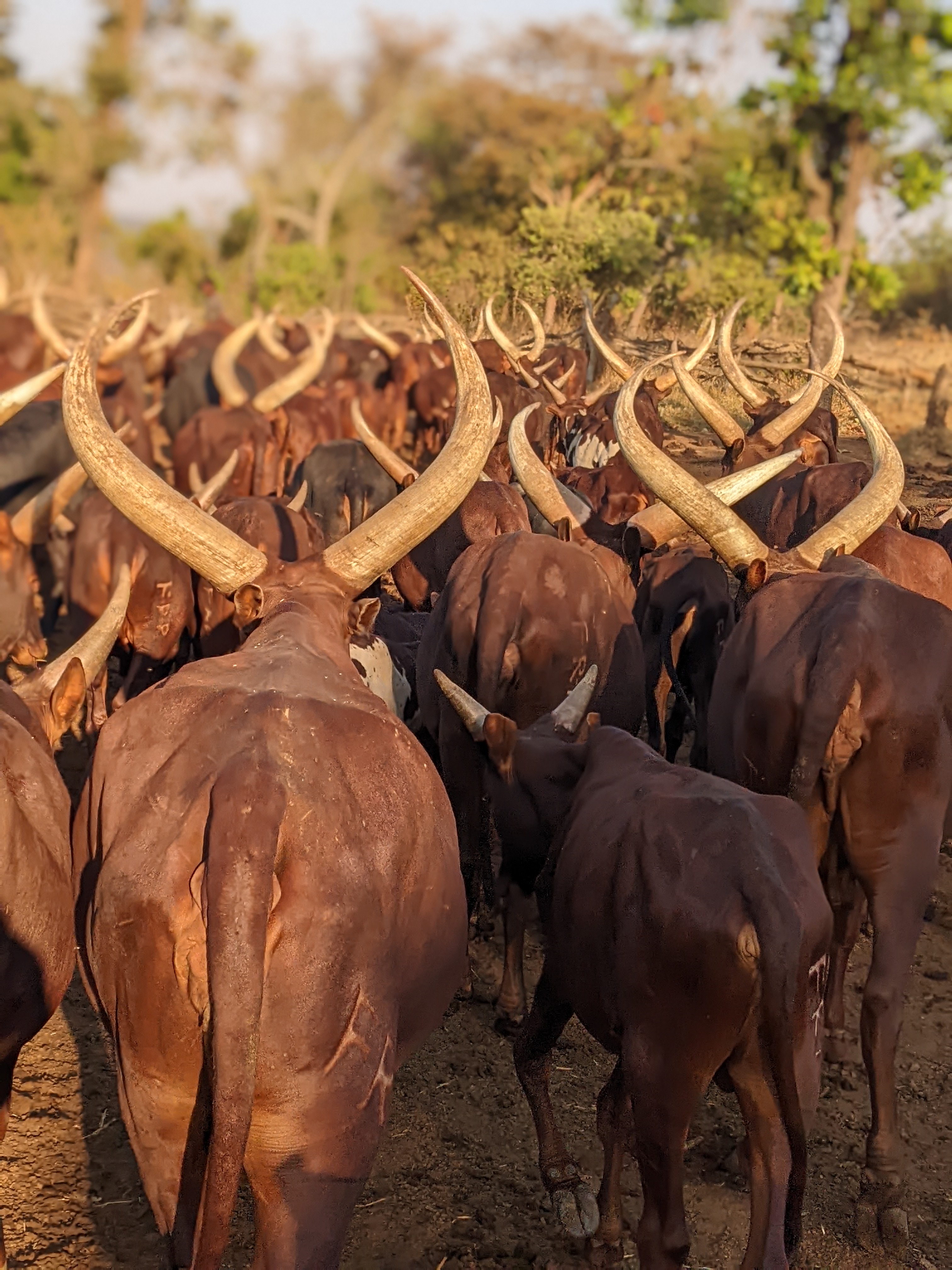
The Leather Liability
The current materials system is under increasing pressure from climate limits, water scarcity, chemical exposure risks, and end-of-life pollution. Both animal leather and synthetic alternatives contribute to environmental burdens across their lifecycle.
1.2 Billion Tons of CO₂e
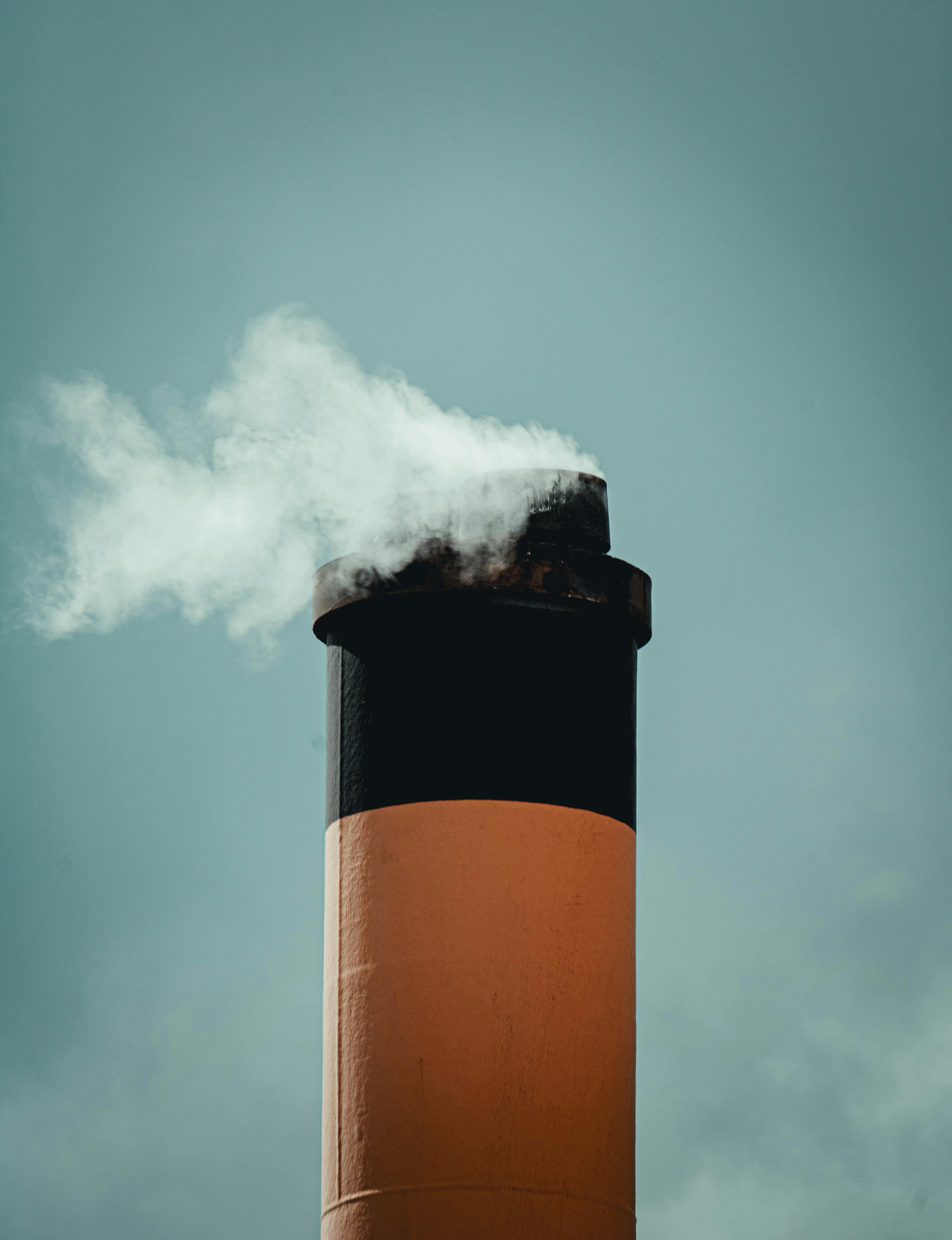
The fashion industry contributes approximately 10% of global greenhouse gas emissions. Animal leather is embedded within livestock and processing systems that are materially more carbon-intensive than emerging bio-based alternatives.
17,000 Liters of Water per Kilogram of Leather
Conventional leather production is highly water-intensive, driven by cattle rearing and industrial tanning processes. This places additional strain on freshwater systems, particularly in regions already facing water scarcity.
Chromium-Based Tanning
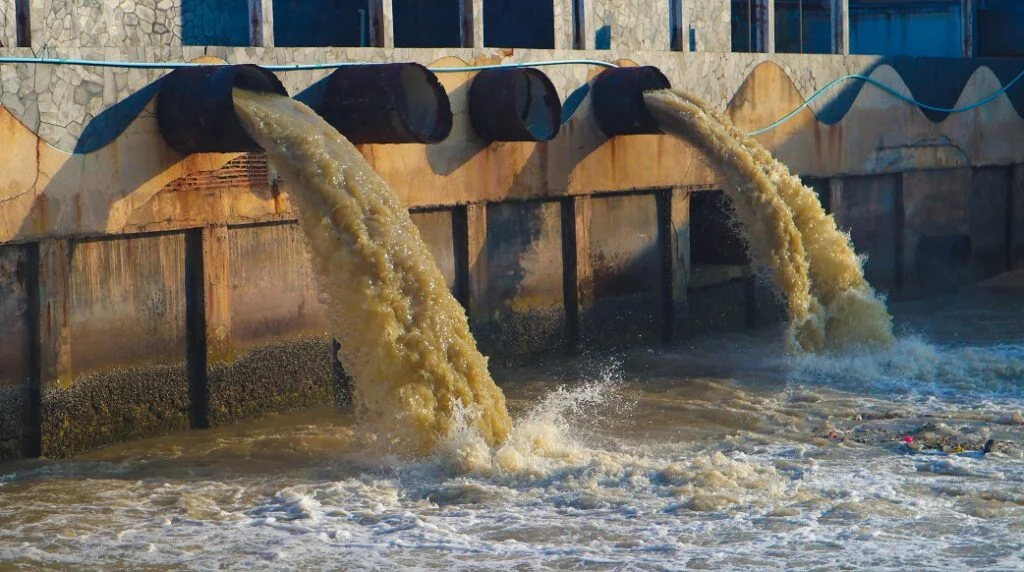
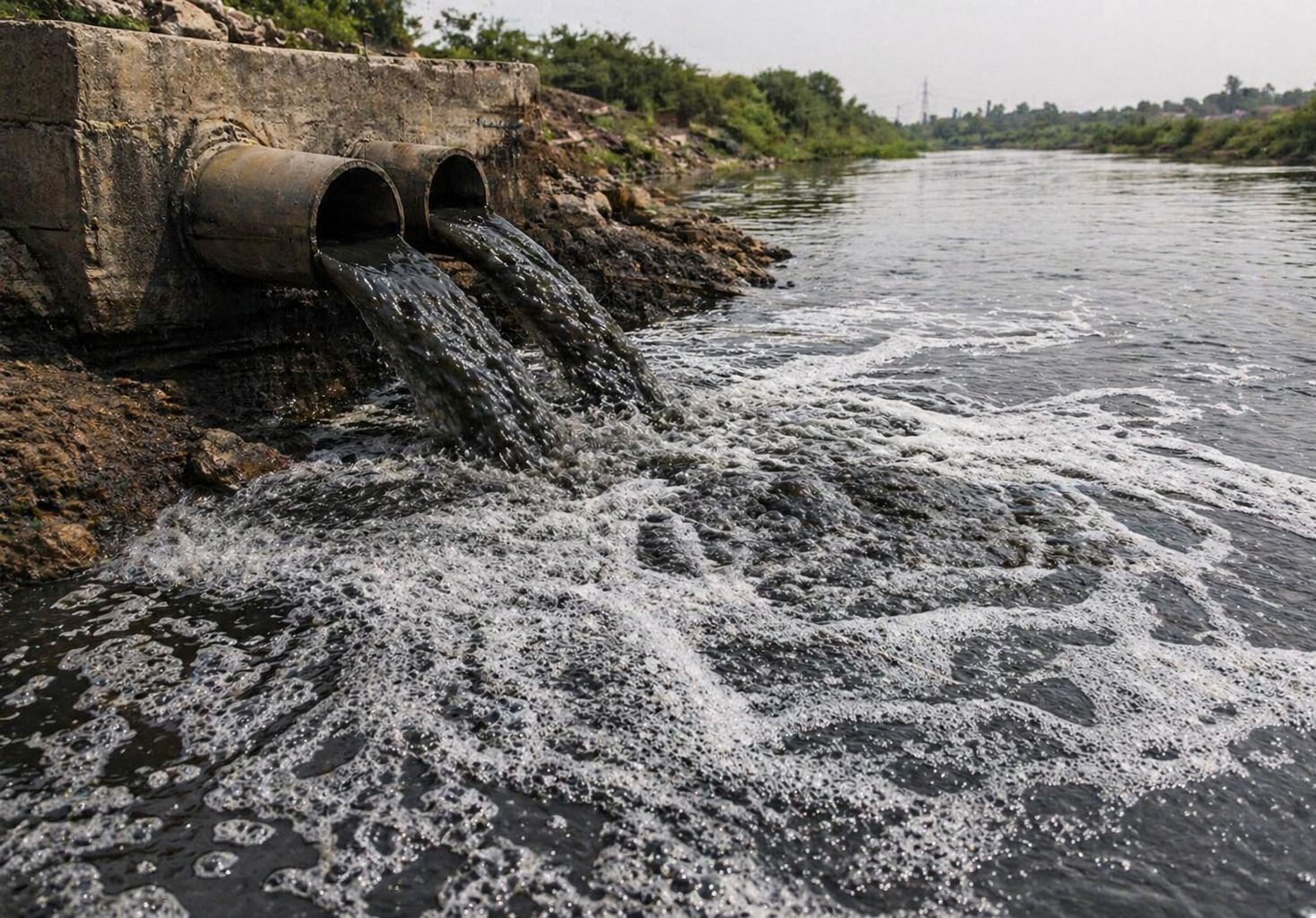
80% of global leather is processed using chromium salts. Where treatment systems and enforcement are insufficient, this can result in occupational health risks for workers, including cancer, and localized soil and water contamination.
Persistent Pollution
PU and PVC-based synthetic leathers are derived from fossil fuels. While they reduce reliance on animal agriculture, they are non-biodegradable and contribute to long-term plastic pollution, including microplastic leakage.
High Land Use Demand
Livestock production requires extensive land for grazing and feed cultivation. This contributes to land-use pressure, ecosystem degradation, and competition with food production systems.